Opinion
Perspectives and commentary on the issues that matter most across Africa.
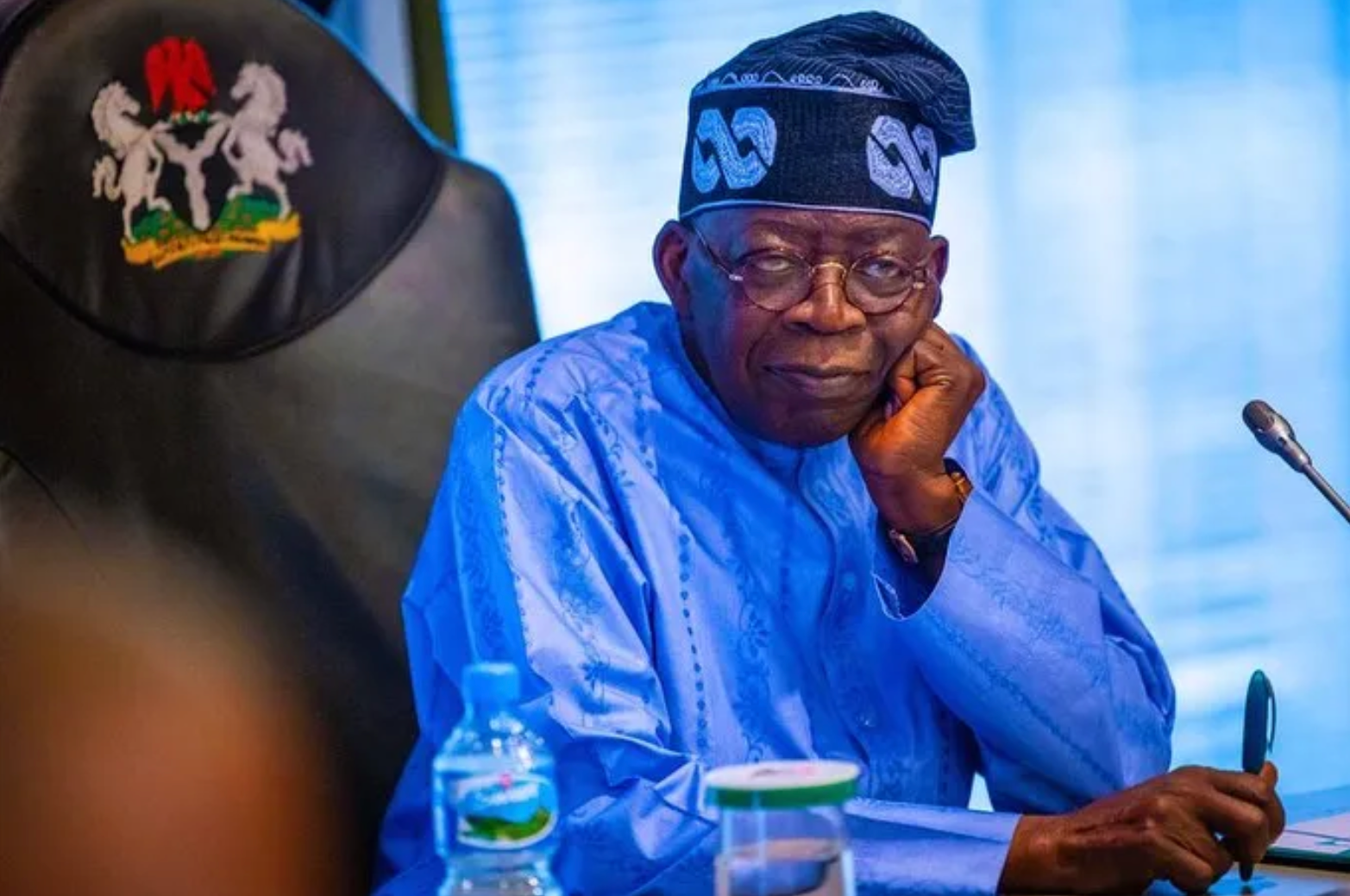
The War on Poverty is on Pause: What Tinubu’s Reforms Really Mean for the Average NigerianPresident Tinubu’s bold economic reforms promised long-term growth, but for many Nigerians, they’ve brought deeper poverty and hardship. Here’s what the reforms really mean for the average citizen
By zainab bakare•11 months agoOpinion
Opinion
The War on Poverty is on Pause: What Tinubu’s Reforms Really Mean for the Average Nigerian
President Tinubu’s bold economic reforms promised long-term growth, but for many Nigerians, they’ve brought deeper poverty and hardship. Here’s what the reforms really mean for the average citizen
Read More ( 6 min. read)→ ZAINAB BAKARE
OPINION: Should Education Be Free To All?
This in-depth analysis examines the promise and pitfalls of tuition-free learning, from breaking cycles of poverty to fears of declining quality. With examples from Finland to sub-Saharan Africa, it explores how nations can balance equity, funding, and excellence in an age where knowledge is the key to progress.Eric Namso

Opinion: The Dangerous Binary of Modern Narcissist Theory
Can Empaths Be Narcissists and what type of narcissistic behaviors exists?Ibukun Oluwa

How Remembering Ancestors Shapes Moral Philosophy
By reflecting on the lives of those who came before us—their virtues, mistakes, and choices—we uncover a deeper, more personal foundation for understanding right and wrong.Ibukun Oluwa
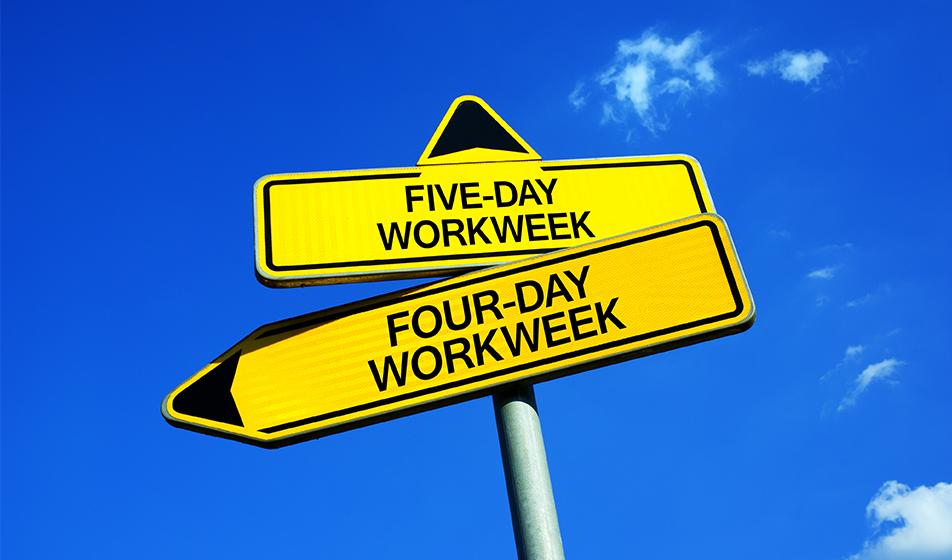
Should Nigeria Adopt a Four-Day Work Week?
As countries experiment with shorter work weeks, Nigeria faces a pressing question: could a four-day schedule ease burnout, boost productivity, and reshape work culture—or would it clash with our unique economic realities?zainab bakare